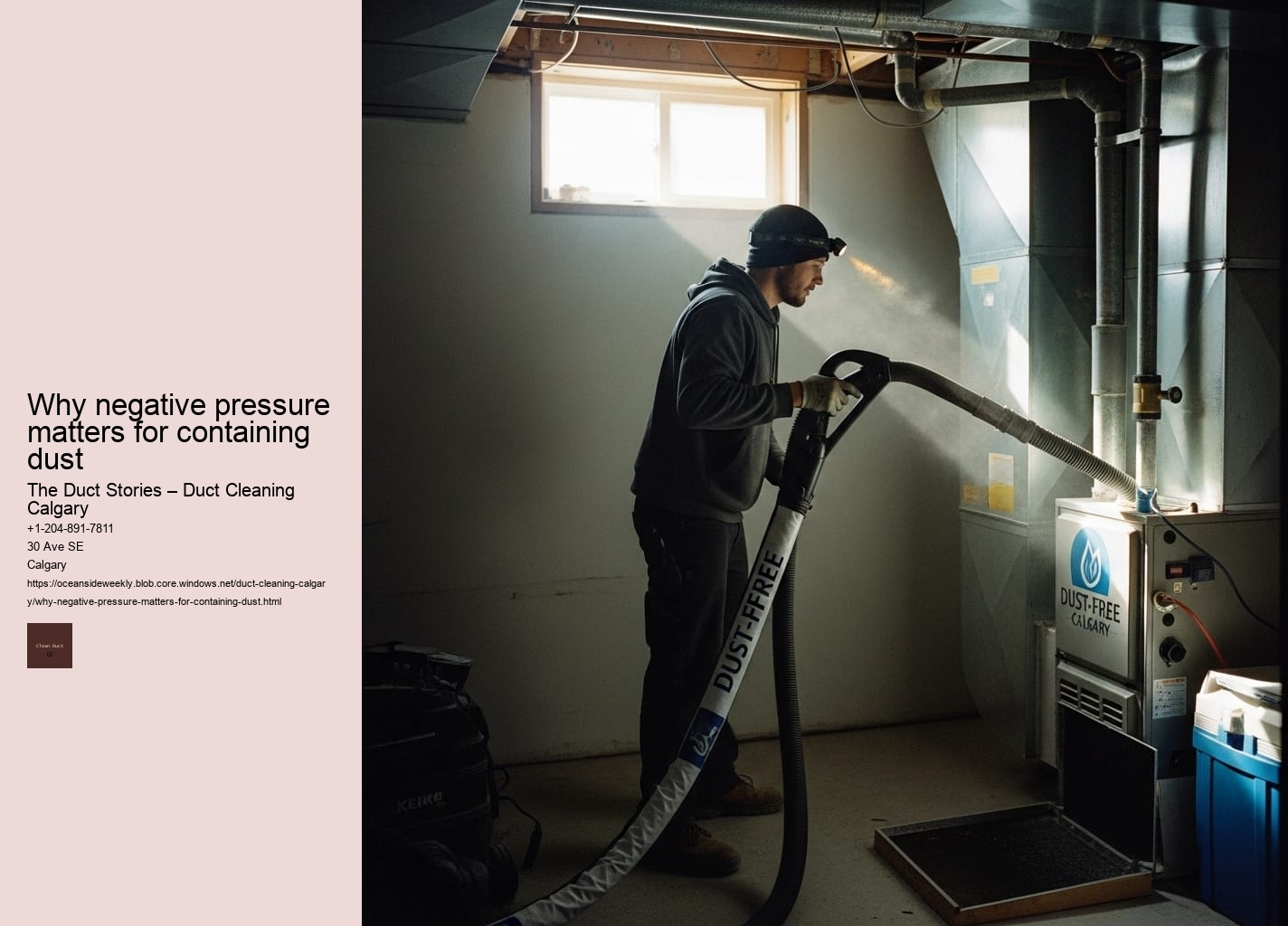
Workplace dust, often an invisible menace, poses significant health risks to employees across various industries. Construction, manufacturing, woodworking, and even office environments can harbor hazardous dust particles. Prolonged exposure to these particles can lead to a range of respiratory illnesses, including asthma, silicosis, chronic obstructive pulmonary disease (COPD), and even lung cancer. The severity of these conditions underscores the critical need for effective dust containment strategies.
Beyond respiratory ailments, certain types of dust can also cause skin irritation, allergic reactions, and other health problems. Combustible dust, present in industries handling organic materials or certain metals, presents an explosion hazard, endangering lives and causing extensive property damage. The financial burden associated with dust-related illnesses and incidents, including medical expenses, lost productivity, and potential litigation, can be substantial for employers.
Implementing robust dust containment measures is not merely a matter of compliance with regulations; it is a fundamental responsibility to protect employee well-being and ensure a safe working environment. Effective containment strategies minimize dust dispersion, reducing the risk of inhalation and exposure. This proactive approach safeguards employee health, boosts morale, and contributes to a more productive and sustainable workplace. Investing in dust control is an investment in your workforce and the long-term success of your organization.
When HVAC systems struggle during Calgary’s weather swings, How HEPA filtration works during duct cleaning for long-term efficiency and cleaner breathing at home.. Whether it's for post-renovation cleanup or annual maintenance, professional duct cleaning in Calgary is the key to maintaining a healthy, breathable home environment..To understand how negative pressure contains dust, it's crucial to grasp the basics of air pressure and its influence on airflow. Air pressure, in this context, refers to the force exerted by air within a contained space. There are three primary states: positive, neutral, and negative.
Positive pressure exists when the air pressure inside a space is higher than the pressure outside. Imagine a balloon; the air inside is at a higher pressure, causing it to expand outwards. In a room with positive pressure, air will naturally flow outwards through any available openings, such as cracks in walls or gaps around doors. This outward airflow can push dust and contaminants into surrounding areas, making containment ineffective.
Neutral pressure, as the name suggests, occurs when the air pressure inside and outside a space is equal. In this state, there is minimal airflow in either direction. While seemingly balanced, neutral pressure offers no guarantee of dust containment, as even slight disturbances can cause dust to migrate.
Negative pressure, on the other hand, is when the air pressure inside a space is lower than the pressure outside. This creates an inward airflow.
Key Pressure Concepts:
This inward pull is the key to effective dust containment. By ensuring negative pressure, any dust generated within the space is prevented from escaping. Instead, it is drawn towards filtration systems or other control measures, keeping the surrounding environment clean and safe. This controlled airflow is paramount in industries where dust control is essential for worker health and safety.
Negative pressure systems rely on creating a pressure differential between a contained area and its surroundings. This means the air pressure inside the contained space is lower than the pressure outside. This pressure difference forces air to flow inward when there are any openings, preventing dust and contaminants from escaping. This inward airflow is crucial for capturing airborne particles at their source, effectively minimizing the risk of exposure and cross-contamination. Properly calibrated systems ensure a consistent and reliable pressure differential, providing optimal containment.
A typical negative pressure system includes a physical enclosure, an air filtration unit (often a HEPA filter), and an exhaust fan. The enclosure isolates the work area, while the filtration unit captures dust particles. The exhaust fan is responsible for drawing air out of the enclosure, creating the desired negative pressure. Regular maintenance of these components is vital. Filter replacement and fan upkeep guarantee the system's continued effectiveness in removing contaminants and maintaining a safe environment.
Consider a construction site where asbestos removal is underway. The work area is sealed off with plastic sheeting to create an enclosure. A HEPA-filtered ventilation unit is then used to exhaust air from within the enclosure. This creates negative pressure, ensuring that any asbestos fibers released during removal are drawn into the filtration system and not allowed to escape into the surrounding environment. This example highlights the practical application of negative pressure in a high-risk scenario, demonstrating its ability to protect workers and the public.
Hospitals frequently utilize negative pressure rooms to isolate patients with infectious airborne diseases like tuberculosis or measles. These rooms are designed with a lower air pressure than adjacent areas. This ensures that when the door is opened, air flows into the room, containing any infectious particles within. The air is then filtered before being exhausted, preventing the spread of the disease. This controlled environment is crucial for preventing outbreaks and protecting vulnerable patients and healthcare staff.
In manufacturing facilities, processes like sanding, grinding, or powder coating can generate significant amounts of dust. Negative pressure enclosures can be used around these processes to capture the dust at its source. By drawing air away from the worker and through a filtration system, the concentration of airborne particles in the worker's breathing zone is significantly reduced. This improves air quality, reduces the risk of respiratory problems, and contributes to a safer and healthier work environment overall, minimizing long-term health risks and improving productivity.
To establish an effective negative pressure environment, specific equipment and meticulous setup are crucial. At the heart of the system is a high-efficiency particulate air (HEPA) filter, designed to capture microscopic dust particles and prevent their escape. The air filtration system must be appropriately sized for the space to ensure adequate air changes per hour (ACH), typically ranging from 6 to 12, depending on the level of dust generation. A manometer or pressure gauge is essential for monitoring the pressure difference between the contained area and the surrounding environment, confirming that negative pressure is consistently maintained.
Key Components:
Sealing techniques are equally vital. All openings, including windows, doors, and seams, must be meticulously sealed with durable tape, plastic sheeting, or expandable foam. Creating an airlock at the entrance to the contained area provides an additional barrier, preventing dust from migrating outwards during entry and exit. The airlock should consist of two curtains or doors, allowing only one to be open at a time. Regular inspections and maintenance of the sealing are necessary to address any breaches or wear and tear. Proper training for personnel working within and around the contained area is also essential to ensure they understand the importance of maintaining the negative pressure environment and follow established protocols.
Negative pressure systems are indispensable across various industries where dust control is paramount. In construction and remodeling, for instance, creating a negative pressure environment within a contained work area prevents dust and debris from migrating to other parts of the building, safeguarding occupants and maintaining air quality. This is particularly crucial during demolition, drywall work, or sanding, where large volumes of particulate matter are generated.
Similarly, industrial processes like grinding, cutting, or abrasive blasting often produce significant amounts of airborne dust. Negative pressure enclosures, coupled with HEPA filtration, effectively capture and contain these contaminants, protecting workers from respiratory hazards and preventing equipment damage. The negative pressure ensures that any air leakage occurs into the contained area, rather than allowing dust to escape.
Furthermore, negative pressure plays a vital role in asbestos abatement and lead paint removal. By maintaining a negative pressure environment, these hazardous materials are effectively isolated, preventing their spread and minimizing the risk of exposure to workers and the surrounding environment. The use of negative air machines, equipped with specialized filters, ensures that contaminated air is properly cleaned before being exhausted.
In each of these scenarios, the ability to control airflow and contain dust at its source is essential for protecting health, ensuring regulatory compliance, and maintaining a safe and productive work environment. Investing in and implementing effective negative pressure systems is a proactive measure that yields significant benefits in dust-generating industries.
Maintaining a safe and healthy work environment is paramount, and effective dust containment plays a critical role in achieving this goal. Minimizing dust exposure directly translates to improved employee health and a significant reduction in respiratory illnesses. When dust particles are allowed to circulate freely, employees are at risk of inhaling these contaminants, leading to a range of health problems, from mild irritation to chronic and debilitating conditions.
Implementing negative pressure systems to contain dust drastically reduces the concentration of airborne particles, safeguarding employees from potential respiratory ailments such as asthma, bronchitis, and silicosis. By creating a cleaner and healthier workspace, companies can experience a decrease in absenteeism due to illness, leading to increased productivity and reduced healthcare costs.
Key Benefits of Dust Containment:
Beyond the immediate health benefits, improved air quality contributes to a more comfortable and productive work environment. Employees are more likely to be engaged and focused when they are not constantly battling the discomfort and potential health risks associated with excessive dust exposure. This, in turn, can lead to higher morale, reduced employee turnover, and a stronger overall company culture that values the well-being of its workforce. Investing in effective dust containment is an investment in the health and safety of your employees, and a proactive step towards creating a thriving and sustainable workplace.
Maintaining a safe and healthy work environment is not just ethically sound; it's a legal imperative. Organizations must scrupulously adhere to Occupational Safety and Health Administration (OSHA) regulations regarding dust control. Failure to do so can result in significant financial penalties, legal repercussions, and damage to a company's reputation.
OSHA sets permissible exposure limits (PELs) for various types of dust, and exceeding these limits can trigger hefty fines. Moreover, if employees develop respiratory illnesses or other health problems due to dust exposure, the company could face workers' compensation claims and potential lawsuits. The costs associated with litigation, medical expenses, and lost productivity can quickly escalate, severely impacting the bottom line.
Beyond direct financial costs, non-compliance can lead to increased insurance premiums and difficulty securing future contracts. A history of safety violations raises red flags and can deter potential clients and partners. Implementing effective dust control measures, including the use of negative pressure systems, demonstrates a commitment to employee safety and regulatory compliance. This proactive approach not only mitigates risks but also fosters a culture of safety, enhancing employee morale and productivity. By prioritizing dust control and adhering to OSHA standards, companies can protect their employees, their financial stability, and their long-term success.
For HR and safety managers, integrating negative pressure solutions into overall health and safety protocols requires a strategic approach. Begin by conducting a comprehensive risk assessment to identify areas where dust exposure is a concern. This assessment should consider the types of dust generated, the frequency and duration of exposure, and the number of employees potentially affected.
Based on the risk assessment, develop or update your existing health and safety procedures to incorporate negative pressure solutions. This may involve designating specific areas as controlled zones where negative pressure is maintained, implementing procedures for equipment maintenance and filter replacement, and providing comprehensive training to employees on the proper use of negative pressure systems and related safety protocols.
Regular monitoring and evaluation are crucial to ensure the effectiveness of your negative pressure program. Conduct routine air quality testing to verify that dust levels are within acceptable limits. Regularly inspect and maintain negative pressure equipment to ensure it is functioning correctly. Furthermore, solicit feedback from employees to identify any potential issues or areas for improvement. By proactively integrating negative pressure solutions into your health and safety programs, you can create a safer and healthier work environment for your employees and minimize the risk of dust-related health problems.
An allergen is an or else safe compound that sets off an allergy in delicate individuals by boosting an immune action. In technological terms, an allergen is an antigen that is capable of boosting a type-I hypersensitivity response in atopic people via immunoglobulin E (IgE) actions. Many humans install considerable immunoglobulin E feedbacks only as a protection versus parasitic infections. However, some people may react to several common environmental antigens. In atopic people, non-parasitic antigens promote unacceptable IgE manufacturing, bring about type I hypersensitivity. Sensitivities vary commonly from someone (or from one pet) to one more. A very wide variety of materials can be allergens to sensitive people.
.A main heating unit supplies heat to a number of rooms within a structure from one primary resource of warmth. A main heating unit has a furnace that converts gas or electrical power to warm via procedures. The warmth is circulated through the structure either by fans compeling heated air via ducts, circulation of low-pressure heavy steam to radiators in each heated room, or pumps that circulate hot water via area radiators. Main power sources might be fuels like coal or wood, oil, kerosene, natural gas, or electricity. Compared to systems such as fire places and wood ovens, a central home heating plant supplies boosted harmony of temperature level control over a building, normally including automated control of the heating system. Large homes or structures may be divided right into independently manageable zones with their very own temperature controls. Automatic gas (and often ash) managing offers boosted benefit over different fire places. Where a system consists of ducts for air circulation, central air conditioning can be added to the system. A central furnace might use up significant space in a home or other building, and may need supply and return ductwork to be installed at the time of building and construction.
.Air movement, or air flow, is the activity of air. Air acts in a liquid fashion, indicating particles naturally move from areas of higher stress to those where the pressure is reduced. Atmospheric atmospheric pressure is directly pertaining to altitude, temperature, and make-up. In engineering, airflow is a measurement of the amount of air each of time that streams through a certain tool. It can be described as a volumetric flow rate (volume of air each time) or a mass flow rate (mass of air each time). What associates both kinds of summary is the air thickness, which is a feature of pressure and temperature level via the suitable gas legislation. The circulation of air can be caused with mechanical ways (such as by operating an electric or hand-operated follower) or can occur passively, as a function of pressure differentials present in the environment.
.