
Duct cleaning involves removing dust, debris, and contaminants from the ductwork of your HVAC system. Over time, these ducts can accumulate significant amounts of pollutants, including dust mites, mold spores, pollen, and even rodent droppings. This buildup can not only reduce the efficiency of your heating and cooling system but also negatively impact indoor air quality, potentially exacerbating allergies and respiratory issues.
The duration of a duct cleaning service isn't fixed; it varies depending on several factors. One of the most significant is the size and complexity of the ductwork. A larger building with an extensive network of ducts will naturally take longer to clean than a smaller one with a simpler system. Accessibility also plays a crucial role. Ducts that are easily accessible allow technicians to work more efficiently, while those hidden behind walls or in crawl spaces can significantly increase the time required.
When indoor air feels heavy or stale, What a duct cleaning scope should include beyond vents to help eliminate allergens, pet dander, and microdust.. When dealing with seasonal allergies or HVAC maintenance, affordable duct cleaning in Calgary is the key to maintaining a healthy, breathable home environment.. Factors Affecting Duct Cleaning Time:The level of contamination present in the ducts is another key determinant. Heavily soiled ducts with years of accumulated debris will require more intensive cleaning efforts than those that are relatively clean. Finally, the cleaning method employed and the number of technicians involved will also influence the overall timeline. Some methods are more time-consuming than others, and a larger team can expedite the process.
The size of your home is a primary factor influencing the duration of a duct cleaning service. Larger homes naturally have more ductwork, requiring more time to inspect, access, and clean. Similarly, multi-story homes present additional challenges, as technicians must navigate between floors and ensure all vertical and horizontal duct runs are addressed.
For a smaller home, such as a single-story residence under 1,500 square feet, a thorough duct cleaning might take anywhere from 2 to 4 hours. As the square footage increases, so does the cleaning time. A mid-sized home, say between 1,500 and 3,000 square feet, could require 4 to 6 hours for a comprehensive cleaning.
Larger homes exceeding 3,000 square feet, especially those with multiple stories, can easily take 6 to 8 hours, or even longer. In some cases, particularly with complex ductwork layouts or significant contamination, the job might span over two days. These estimates are general guidelines; the actual time can vary based on other factors like the ductwork's accessibility and the level of contamination present. When obtaining quotes, be sure to provide accurate details about your home's size and layout to receive a more precise time estimate.
Intricate ductwork designs significantly extend cleaning times. Systems with numerous zones, sharp bends, and extensive branching create obstacles for cleaning equipment. Reaching every corner and crevice becomes a challenge, requiring more time and specialized tools. Technicians must navigate through the labyrinthine network, ensuring thorough cleaning in every section. This complexity directly translates to increased labor hours and a longer overall project duration, impacting scheduling and costs.
Zoned HVAC systems, designed to independently control temperatures in different areas, present a unique challenge. Each zone typically has its own set of ducts, dampers, and controls, increasing the surface area that needs cleaning. Technicians must carefully manage each zone, ensuring no area is overlooked. The presence of dampers and other internal components adds further complexity, requiring meticulous attention to detail to avoid damage during the cleaning process. Thorough cleaning of multi-zone systems is crucial for maintaining consistent air quality throughout the building.
The presence of numerous bends and branches within the ductwork dramatically impacts cleaning efficiency. Sharp turns restrict the movement of cleaning tools and equipment, making it difficult to reach distant sections. Branches create multiple pathways, requiring technicians to navigate each one individually. Accumulation of dust and debris tends to concentrate at these points, necessitating more intensive cleaning efforts. Overcoming these physical obstacles requires specialized tools and techniques, adding to the overall time required for the job.
Duct maps, or schematics illustrating the ductwork layout, are invaluable tools for efficient cleaning. These maps provide technicians with a clear understanding of the system's configuration, including the location of zones, bends, and access points.
Benefits of Duct Maps:
With a duct map, technicians can plan their cleaning strategy more effectively, minimizing wasted time and effort. The absence of a duct map can significantly increase cleaning time, as technicians must manually trace and identify each section of the ductwork. Investing in the creation or retrieval of duct maps is a worthwhile investment for streamlining the cleaning process.
Ease of access to the ductwork significantly influences the duration of the cleaning process. Systems with readily accessible access panels and inspection points allow technicians to quickly reach and clean various sections. Conversely, ductwork that is hidden behind walls, ceilings, or other obstructions requires additional time for preparation and access. Obstacles may need to be temporarily removed or relocated, further prolonging the cleaning process. Improving accessibility through strategic placement of access panels during installation or renovation can greatly reduce future cleaning times.
The extent and nature of contaminants within the ductwork are primary drivers of the cleaning duration. A light accumulation of dust, typical in relatively new or well-maintained systems, will naturally require less time to address than a heavy buildup of debris, mold, or rodent droppings. Identifying these factors begins with a thorough pre-cleaning inspection.
The presence of certain contaminants may also influence the chosen cleaning method. Mold, for example, requires specialized cleaning solutions and precautions to prevent its spread. Heavy debris might necessitate manual removal before vacuuming. Therefore, a comprehensive pre-cleaning inspection is crucial for accurately estimating the project's timeline and ensuring the appropriate cleaning techniques are employed. Without this assessment, it's difficult to predict the resources and time needed to effectively restore the ductwork to a clean and healthy condition.
This inspection involves a visual assessment of the ductwork's interior, often utilizing cameras and other specialized tools. The inspection aims to determine the types of contaminants present (dust, mold, allergens, etc.), the degree of accumulation, and the areas most affected. For instance, mold growth necessitates a more rigorous cleaning process, potentially involving antimicrobial treatments and source identification to prevent recurrence. Similarly, substantial debris, like construction materials or accumulated dust bunnies, demands more intensive vacuuming and agitation techniques.
The duration of duct cleaning is also influenced by the method employed. Several techniques exist, each with varying time requirements and suitability for specific ductwork conditions.
Brush cleaning, often used for rigid ductwork, involves using specialized brushes to dislodge debris. This method can be time-consuming, especially in extensive systems, potentially adding several hours to the overall cleaning time. Air whip systems, which utilize compressed air to agitate and loosen contaminants, are generally faster than brush cleaning but may not be as effective on heavily soiled surfaces. Vacuuming, typically used in conjunction with other methods, removes the dislodged debris. The time required for vacuuming depends on the system's size and the amount of accumulated dust.
For flexible ductwork, gentler methods like air whips or specialized vacuum systems are preferred to avoid damage. These methods may require more time to ensure thorough cleaning without compromising the duct's integrity.
Post-cleaning sanitization is crucial to eliminate residual mold, bacteria, and other allergens. This process usually involves applying a sanitizing agent through the ductwork, adding approximately 30-60 minutes to the overall timeframe. The choice of sanitization method and product should be carefully considered to ensure effectiveness and safety for building occupants. The selection of cleaning methods should be based on a professional assessment of the ductwork material, condition, and the type of contaminants present.
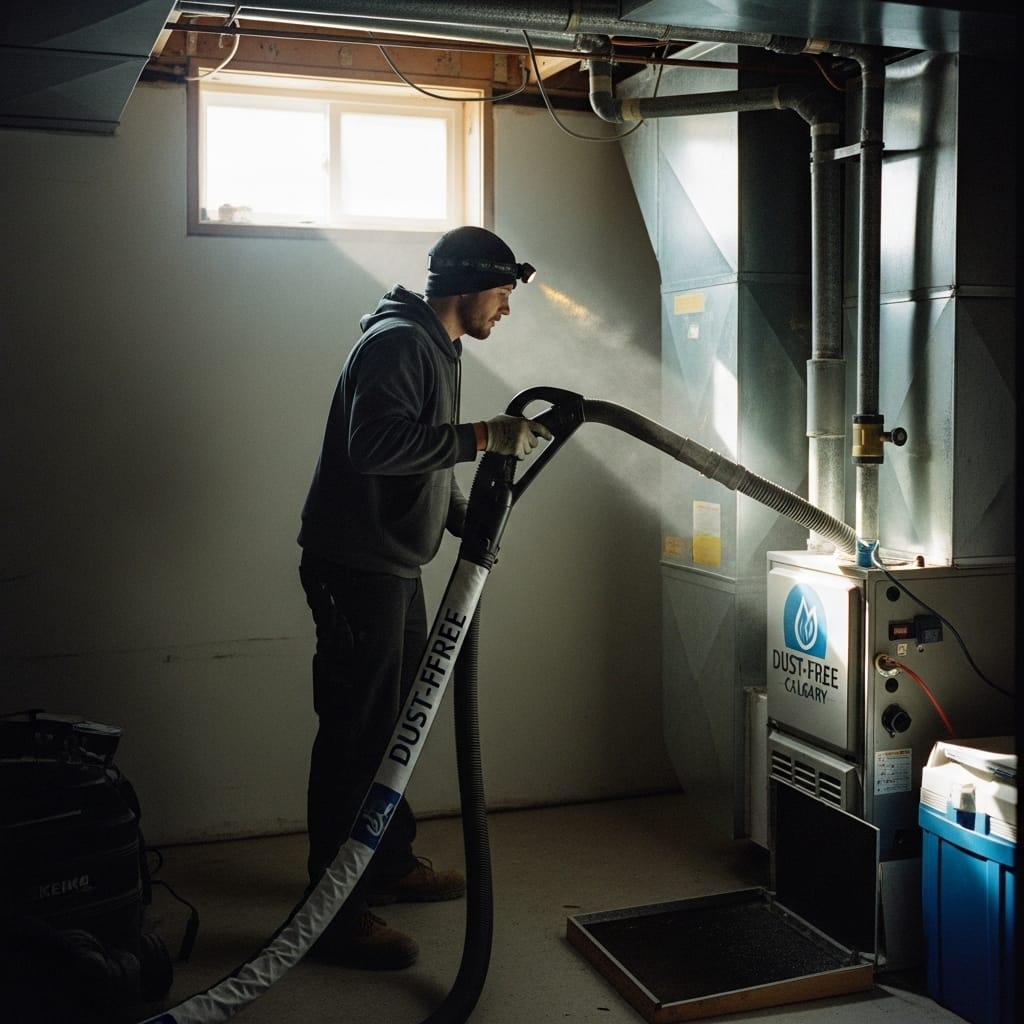
The accessibility of your building's ductwork significantly impacts the overall cleaning timeline. Easily accessible ductwork, with conveniently located vents and straightforward layouts, allows technicians to move efficiently, reducing the time spent on the project. Conversely, ductwork concealed behind walls, ceilings, or furniture requires additional effort to access, increasing the job's duration.
Preparation is another crucial factor. Before cleaning can commence, technicians must prepare the workspace to protect your office environment. This includes covering furniture, equipment, and flooring to prevent dust and debris contamination. The extent of this preparation depends on the building's layout and the amount of furniture in the vicinity of the vents. A cluttered office space will necessitate more extensive preparation, adding to the overall time.
Furthermore, accessing the vents themselves can be time-consuming. Some vents may be difficult to reach or require specialized tools to remove. The more complex the vent access, the longer the cleaning process will take. HR managers should factor in this preparation time when scheduling duct cleaning, as it directly affects the project's completion time and potential disruption to the workplace. Communicating with the cleaning company about the building's layout and any potential accessibility challenges beforehand can help them provide a more accurate time estimate.
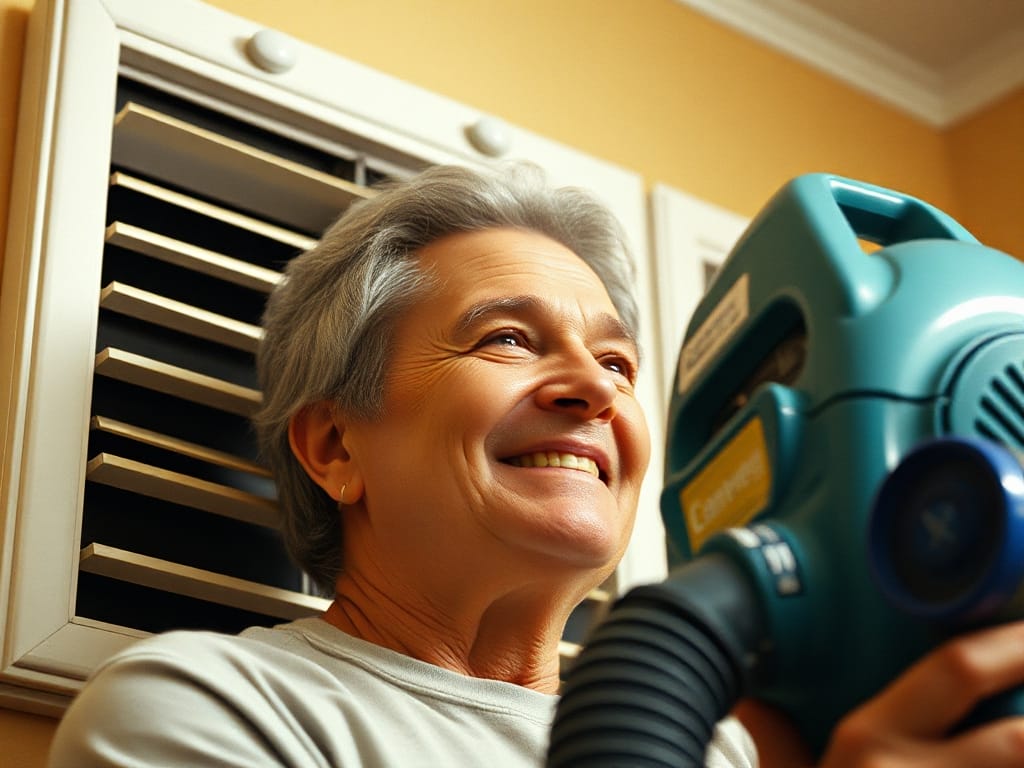
The number of technicians assigned to the duct cleaning project and their collective efficiency significantly influence the overall timeline. A larger team can expedite the process, particularly in expansive commercial spaces. More technicians allow for simultaneous work on different sections of the ductwork, reducing the total cleaning time.
Efficiency encompasses several factors, including the technicians' experience, training, and familiarity with the cleaning equipment. A well-trained and experienced team will be able to navigate the duct system quickly, identify problem areas, and execute the cleaning process effectively. Efficient equipment handling is also crucial. Technicians who are adept at setting up, operating, and moving the cleaning equipment will minimize downtime and contribute to a faster workflow.
Conversely, a smaller team or a team with less experience may require more time to complete the same task. Inefficient setup, frequent equipment malfunctions, or difficulties accessing certain areas of the ductwork can all contribute to delays. Proper project management and clear communication among the team members are also essential for maximizing efficiency. Before commencing the cleaning, a pre-job walkthrough helps the team strategize and allocate tasks effectively, ensuring a streamlined and timely cleaning process.
Unforeseen complications can sometimes arise during duct cleaning, potentially extending the project timeline. Damaged ductwork, for instance, may require repair or replacement before cleaning can proceed, adding significant time and cost. The presence of asbestos, often found in older buildings, necessitates specialized handling and abatement procedures performed by certified professionals. This can cause considerable delays as it requires strict adherence to safety regulations and may involve complex removal processes.
Furthermore, stubborn blockages, such as accumulated debris or even animal nests, can prove difficult to remove. Technicians may need to employ specialized tools and techniques, potentially requiring more time than initially anticipated.
To mitigate these potential delays, a thorough initial inspection is crucial. This allows technicians to identify potential problems beforehand and provide a more accurate time estimate. Mitigation Strategies:
Having a contingency plan in place is also essential. This might involve having readily available replacement parts for common ductwork issues or pre-arranging for asbestos abatement services if the building's age suggests a risk. Open communication between the cleaning company and the client is vital. Regularly updating the client on progress and any unexpected issues ensures transparency and allows for collaborative problem-solving, minimizing frustration and keeping the project on track as much as possible.
Air flow, or air circulation, is the motion of air. Air behaves in a liquid manner, meaning fragments naturally flow from areas of greater pressure to those where the pressure is lower. Atmospheric atmospheric pressure is straight related to elevation, temperature level, and make-up. In design, air flow is a measurement of the quantity of air per unit of time that streams via a certain gadget. It can be described as a volumetric flow rate (volume of air per unit time) or a mass flow price (mass of air per unit time). What relates both types of summary is the air thickness, which is a function of pressure and temperature through the perfect gas law. The flow of air can be induced via mechanical means (such as by running an electric or manual fan) or can take place passively, as a function of stress differentials existing in the atmosphere.
.Interior air quality (IAQ) is the air quality within buildings and structures. Poor indoor air high quality due to interior air contamination is recognized to impact the health and wellness, comfort, and well-being of building owners. It has likewise been linked to unwell structure disorder, breathing issues, decreased productivity, and impaired understanding in institutions. Typical toxins of indoor air consist of used tobacco smoke, air pollutants from interior burning, radon, molds and other irritants, carbon monoxide, volatile organic substances, legionella and various other microorganisms, asbestos fibers, carbon dioxide, ozone and particulates. Source control, purification, and using air flow to weaken pollutants are the main approaches for boosting indoor air high quality. Although ventilation is an integral element of preserving good indoor air top quality, it may not be satisfactory alone. In situations where outside air pollution would wear away indoor air quality, other therapy tools such as filtering might also be essential. IAQ is assessed through collection of air samples, keeping an eye on human direct exposure to toxins, analysis of structure surface areas, and computer system modeling of air circulation inside buildings. IAQ becomes part of interior ecological quality (IEQ), in addition to various other aspects that put in an impact on physical and emotional facets of life indoors (e. g., lights, aesthetic high quality, acoustics, and thermal comfort). Indoor air contamination is a major carcinogen in establishing countries and is generally referred to as "home air contamination" in that context. It is mainly relating to food preparation and home heating approaches by burning biomass gas, in the type of timber, charcoal, dung, and plant deposit, in interior environments that lack appropriate ventilation. Millions of people, mainly ladies and kids, deal with serious health and wellness dangers. In total amount, regarding 3 billion people in creating nations are affected by this issue. The World Wellness Company (THAT) estimates that cooking-related interior air pollution creates 3. 8 million yearly deaths. The Worldwide Burden of Illness research approximated the number of fatalities in 2017 at 1. 6 million.
.