
Multi-stage filtration is a sophisticated approach to removing contaminants from liquids or gases, employing a series of filters with progressively finer pore sizes. Its primary purpose is to achieve a higher level of purity than can be attained with a single filter. For families prioritizing clean air and comfort, How airflow is controlled during a duct cleaning setup for better air circulation and lower energy use.. For homeowners in Alberta looking to boost their indoor air quality, expert Calgary duct cleaners is the key to maintaining a healthy, breathable home environment.. In cleaning equipment, this translates to more effective removal of dirt, debris, and microscopic particles from surfaces, leading to superior cleaning results and reduced risk of re-contamination.
The relevance of multi-stage filtration in cleaning equipment stems from its ability to target a wider spectrum of contaminants. A coarse filter in the initial stage captures larger particles like hair or sediment, protecting subsequent filters from clogging and extending their lifespan. Finer filters in later stages then remove smaller particles, such as bacteria, viruses, or allergens, that would otherwise pass through a single-stage system. This multi-layered approach ensures a more thorough and comprehensive cleaning process.
For instance, in industrial floor scrubbers, multi-stage filtration systems can significantly improve water recovery and reduce water consumption. By removing contaminants from the recovered water, the system allows for its reuse, minimizing environmental impact and lowering operational costs. Similarly, in parts washers, multi-stage filtration ensures that the cleaning solution remains free of contaminants, preventing them from being redeposited onto the parts being cleaned. This leads to cleaner parts, improved product quality, and reduced maintenance requirements for the equipment itself.
Multi-stage filtration represents a significant advancement over single-stage systems, offering a more comprehensive and effective approach to removing contaminants. A single-stage filter relies on a single barrier to capture particles, which can be limiting in its ability to address a wide range of contaminant sizes and types. In contrast, multi-stage filtration employs a series of filters, each designed to target specific particle sizes or contaminant types. This layered approach ensures a higher level of cleanliness and protects sensitive equipment from damage.
Imagine a cleaning process where the initial filter removes large debris, preventing it from clogging subsequent filters. The next stage might focus on capturing finer particles like dust or pollen, while a final stage could utilize activated carbon to absorb odors or chemical contaminants. This sequential filtration process maximizes the efficiency of each filter and provides a more thorough cleaning than a single filter could achieve alone. The result is cleaner equipment, extended equipment lifespan, and a healthier work environment.
The benefits of multi-stage filtration extend beyond just improved cleanliness. By removing a wider spectrum of contaminants, these systems can also contribute to better air quality, reduced allergens, and a more comfortable workspace. This is particularly important in industries where hygiene and air quality are critical, such as healthcare, food processing, and manufacturing. Choosing equipment with multi-stage filtration demonstrates a commitment to employee well-being and operational excellence.
The primary filtration stage is the first line of defense in cleaning equipment, designed to capture large debris and particles before they can reach subsequent, more sensitive filters. This initial stage typically employs a coarse filter, often made of mesh or a screen-like material, with relatively large openings. Its main purpose is to remove items like leaves, twigs, hair, and other visible solids that could clog or damage finer filters down the line. By effectively capturing these larger contaminants, the primary filter significantly extends the lifespan and efficiency of the entire filtration system.
Effective debris management is crucial in the initial filtration stage to prevent overloading and maintain optimal performance. A primary filter that becomes excessively clogged will restrict water flow, reducing the overall cleaning power of the equipment. Regular cleaning or replacement of the primary filter is therefore essential to ensure it continues to function effectively. Some advanced systems even incorporate self-cleaning mechanisms to automate this process and minimize maintenance requirements, ensuring consistent and reliable performance.
One of the key benefits of the primary filtration stage is its ability to protect sensitive components within the cleaning equipment. Pumps, spray nozzles, and other critical parts are vulnerable to damage from large debris. By removing these particles early in the filtration process, the primary filter prevents them from entering and potentially damaging these components. This protection not only reduces the need for costly repairs but also helps to maintain the equipment's operational efficiency and longevity.
The lifespan of secondary and tertiary filters is significantly extended by the presence of an effective primary filtration stage. Without the primary filter, these finer filters would quickly become overwhelmed with large debris, requiring more frequent replacement. By pre-filtering these larger particles, the primary filter allows the subsequent filters to focus on removing smaller contaminants, maximizing their efficiency and lifespan. This multi-stage approach ensures a more thorough and cost-effective cleaning process overall.
Ultimately, the initial filtration stage contributes significantly to the overall efficiency of the cleaning system. By removing large debris early on, it prevents clogs and blockages that can reduce water pressure and cleaning power. This ensures that the equipment operates at its optimal performance level, delivering consistent and effective cleaning results. A well-maintained primary filter is therefore essential for maximizing the efficiency and longevity of any cleaning equipment that utilizes a multi-stage filtration system.
Following the initial stage, the secondary filtration process focuses on capturing finer particles that may have bypassed the primary filter. This stage is crucial for achieving a higher level of cleanliness and protecting sensitive components within the cleaning equipment.
Typically, secondary filters employ materials with a tighter weave or smaller pore size compared to their primary counterparts. Common examples include finer mesh screens, pleated filters with smaller micron ratings, or even specialized media designed to attract and trap microscopic contaminants. These filters are adept at removing particles like fine dust, pollen, mold spores, and even some bacteria.
The effectiveness of the secondary filtration stage directly impacts the quality of the cleaned surfaces and the lifespan of the equipment itself. By removing these finer particles, the risk of scratching or damaging delicate surfaces is significantly reduced. Furthermore, preventing these contaminants from recirculating within the system minimizes wear and tear on internal components, extending the overall operational life of the cleaning equipment and reducing maintenance costs. Regular replacement of the secondary filter, as recommended by the manufacturer, is essential to maintain its efficiency and ensure optimal cleaning performance. This proactive approach guarantees a consistently high standard of cleanliness and protects your investment in cleaning equipment.
In advanced multi-stage filtration systems, the final stage often incorporates High-Efficiency Particulate Air (HEPA) or Ultra-Low Penetration Air (ULPA) filters. These filters are critical for removing microscopic contaminants that may have bypassed earlier filtration stages, ensuring the highest possible air quality.
HEPA filters are defined by their ability to capture at least 99.97% of particles that are 0.3 microns in diameter. This size is considered the Most Penetrating Particle Size (MPPS), the most difficult to capture. Particles larger or smaller than 0.3 microns are generally trapped with even greater efficiency. HEPA filters are constructed from a dense network of fibers arranged in a way that forces air to twist and turn, causing particles to collide with the fibers and become trapped.
Key Differences: HEPA vs. ULPA Filters
ULPA filters offer even greater filtration efficiency, capturing at least 99.999% of particles that are 0.12 microns in diameter. These filters are typically used in environments where the strictest air quality standards are required, such as cleanrooms, healthcare facilities, and the manufacturing of sensitive electronic components. The construction of ULPA filters is similar to HEPA filters, but with even finer fibers and a denser arrangement, resulting in superior particle capture.
The inclusion of HEPA or ULPA filters in cleaning equipment represents a significant advancement in air purification technology, providing a safer and healthier environment by removing microscopic contaminants like bacteria, viruses, mold spores, and ultrafine dust particles. Regular replacement of these filters is essential to maintain their effectiveness and ensure optimal air quality.
Multi-stage filtration offers a cascade of benefits that extend far beyond simply cleaner surfaces. The most immediate advantage is, of course, a demonstrably cleaner output. By removing progressively smaller particles at each stage, these systems ensure that the cleaning solution or air expelled is significantly purer than with single-stage filtration. This is particularly crucial in environments where hygiene is paramount, such as healthcare facilities or food processing plants.
Beyond immediate cleanliness, multi-stage filtration contributes significantly to the longevity of your cleaning equipment. By capturing abrasive particles before they can circulate and damage internal components, these systems reduce wear and tear. This translates to fewer repairs, less downtime, and a longer overall lifespan for your investment in cleaning technology.
Finally, multi-stage filtration plays a vital role in improving indoor air quality. Whether it's dust, allergens, or volatile organic compounds (VOCs), these systems trap and remove airborne contaminants that can negatively impact employee health and productivity. By creating a cleaner and healthier work environment, multi-stage filtration can reduce absenteeism, improve morale, and contribute to a more positive and productive workplace. Investing in multi-stage filtration is an investment in the well-being of your employees and the long-term health of your business.
Multi-stage filtration finds practical application across a diverse range of cleaning equipment, each tailored to specific contaminants and environments.
In vacuums, for example, a typical multi-stage system might begin with a cyclone separator to remove large debris, followed by a pre-motor filter to capture finer particles like dust and hair, protecting the motor. Finally, a HEPA (High-Efficiency Particulate Air) filter traps microscopic allergens, pollen, and bacteria, ensuring cleaner exhaust air.
Air purifiers commonly employ a similar approach. A pre-filter captures larger particles, extending the life of subsequent filters. An activated carbon filter then adsorbs odors, gases, and volatile organic compounds (VOCs). Finally, a HEPA filter removes fine particulate matter, contributing to improved air quality.
Key Filter Types:
Industrial scrubbers, used in manufacturing and commercial settings, often utilize multi-stage filtration to handle heavy-duty cleaning. A coarse filter removes large debris like metal shavings or gravel. A finer filter then captures smaller particles and emulsified oils. Some systems incorporate a final stage of carbon filtration to remove odors and chemical contaminants from the wastewater before disposal, ensuring environmental compliance.
The specific combination and type of filters used in each stage are carefully selected based on the equipment's intended use and the types of contaminants it is designed to remove, ensuring optimal cleaning performance and protecting both equipment and the environment.
To ensure your multi-stage filtration system operates at peak efficiency, adhering to a strict maintenance schedule is crucial. Regular cleaning and timely replacement of filters are essential for prolonging the life of your equipment and maintaining optimal cleaning performance.
Start by consulting your equipment's manual for specific recommendations on filter maintenance. Generally, pre-filters, designed to capture larger debris, should be cleaned more frequently - ideally after each use or at least weekly, depending on usage intensity. This can often be achieved by rinsing with water or using compressed air.
Filter Cleaning Frequency:Intermediate filters, responsible for finer particulate removal, require less frequent cleaning but should be inspected regularly for signs of clogging or damage. Depending on the type of filter, cleaning might involve gentle washing or vacuuming.
The final-stage filter, often a HEPA filter, demands careful handling. HEPA filters are typically not washable and should be replaced according to the manufacturer's guidelines, usually every six to twelve months. Ignoring replacement schedules can lead to reduced airflow, decreased filtration efficiency, and potential damage to the equipment.
Keep a detailed log of filter cleaning and replacement dates. This proactive approach not only ensures optimal performance but also helps identify potential issues early on, preventing costly repairs and downtime. Remember, a well-maintained filtration system translates to cleaner results and a longer lifespan for your cleaning equipment.
Interior air top quality (IAQ) is the air quality within buildings and frameworks. Poor indoor air high quality as a result of interior air contamination is known to impact the health and wellness, comfort, and well-being of building residents. It has actually additionally been connected to unwell building syndrome, respiratory system problems, minimized productivity, and impaired knowing in colleges. Typical toxins of interior air consist of pre-owned tobacco smoke, air pollutants from indoor combustion, radon, molds and various other allergens, carbon monoxide, unstable organic compounds, legionella and various other bacteria, asbestos fibers, co2, ozone and particulates. Resource control, filtration, and the use of air flow to dilute pollutants are the main methods for improving indoor air top quality. Although air flow is an indispensable part of maintaining excellent interior air top quality, it may not be sufficient alone. In scenarios where outdoor air pollution would wear away indoor air high quality, other treatment tools such as filtering might likewise be essential. IAQ is evaluated with collection of air samples, keeping track of human exposure to contaminants, evaluation of structure surface areas, and computer system modeling of air flow inside structures. IAQ belongs to indoor environmental high quality (IEQ), along with various other factors that exert an influence on physical and mental aspects of life indoors (e. g., lights, visual quality, acoustics, and thermal convenience). Interior air contamination is a significant health hazard in creating countries and is commonly described as "household air contamination" because context. It is mostly relating to food preparation and home heating techniques by melting biomass fuel, in the form of timber, charcoal, dung, and plant residue, in indoor settings that do not have appropriate ventilation. Countless people, mostly ladies and kids, face serious health risks. In overall, regarding three billion people in creating nations are impacted by this issue. The World Wellness Company (THAT) approximates that cooking-related indoor air contamination creates 3. 8 million annual fatalities. The Global Worry of Condition study approximated the number of deaths in 2017 at 1. 6 million.
.Dust is made of great bits of solid matter. In the world, it usually contains particles in the atmosphere that originate from various sources such as dirt raised by wind (an aeolian procedure), volcanic eruptions, and air pollution. Dust in homes is composed of around 20–-- 50% dead skin cells. The remainder, and in workplaces and various other built settings, is composed of small amounts of plant pollen, human hairs, animal hair, fabric fibers, paper fibers, minerals from outdoor soil, burnt meteorite fragments, and many various other products which might be located in the neighborhood setting.
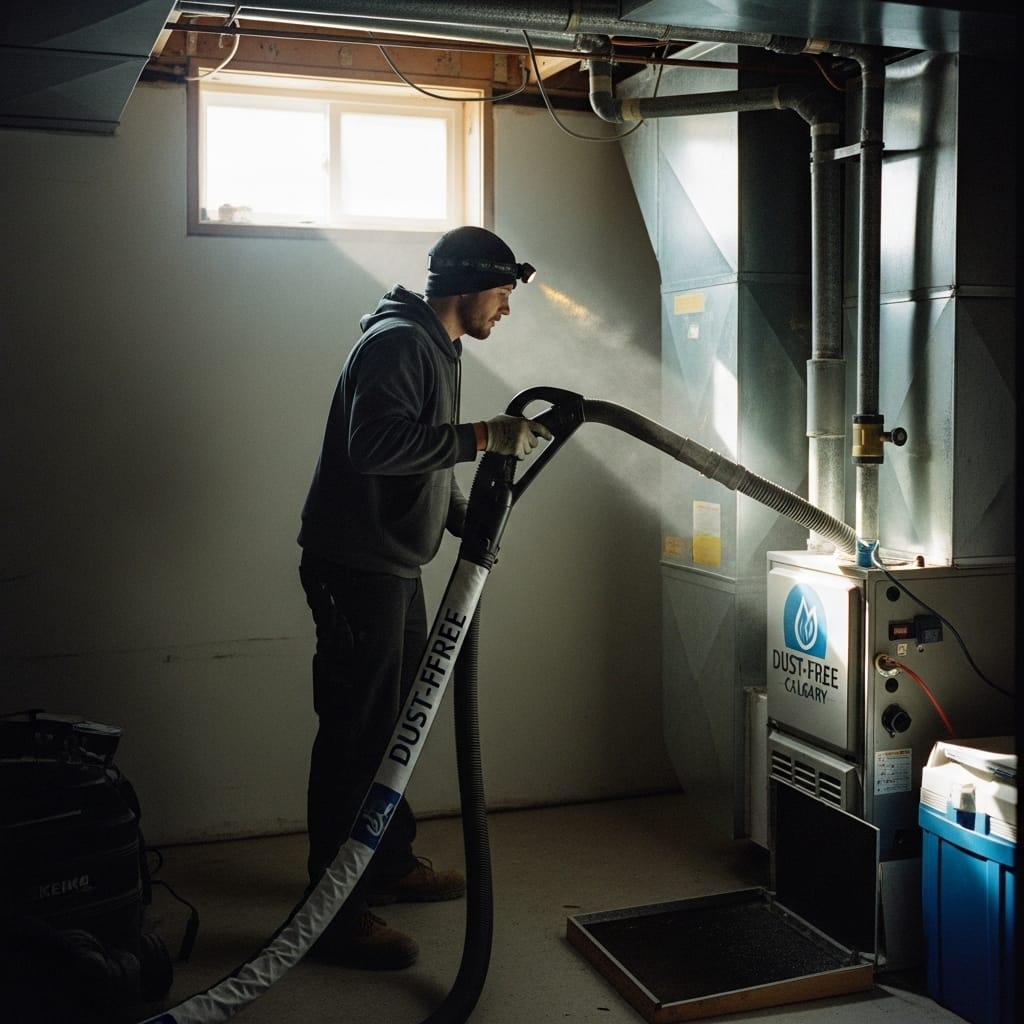
.A central heating unit provides heat to a variety of areas within a structure from one primary resource of heat. A main heater has a furnace that converts gas or electricity to heat through procedures. The heat is circulated with the building either by followers compeling heated air through air ducts, flow of low-pressure heavy steam to radiators in each heated area, or pumps that circulate warm water via room radiators. Key power sources might be fuels like coal or wood, oil, kerosene, gas, or electrical energy. Compared to systems such as fireplaces and wood ranges, a main home heating plant provides boosted harmony of temperature control over a structure, generally including automatic control of the furnace. Big homes or structures may be divided into independently controlled zones with their very own temperature controls. Automatic fuel (and often ash) managing offers boosted comfort over separate fireplaces. Where a system consists of air ducts for air flow, central air can be contributed to the system. A main heating system might use up substantial area in a home or various other structure, and may need supply and return ductwork to be set up at the time of construction.
.