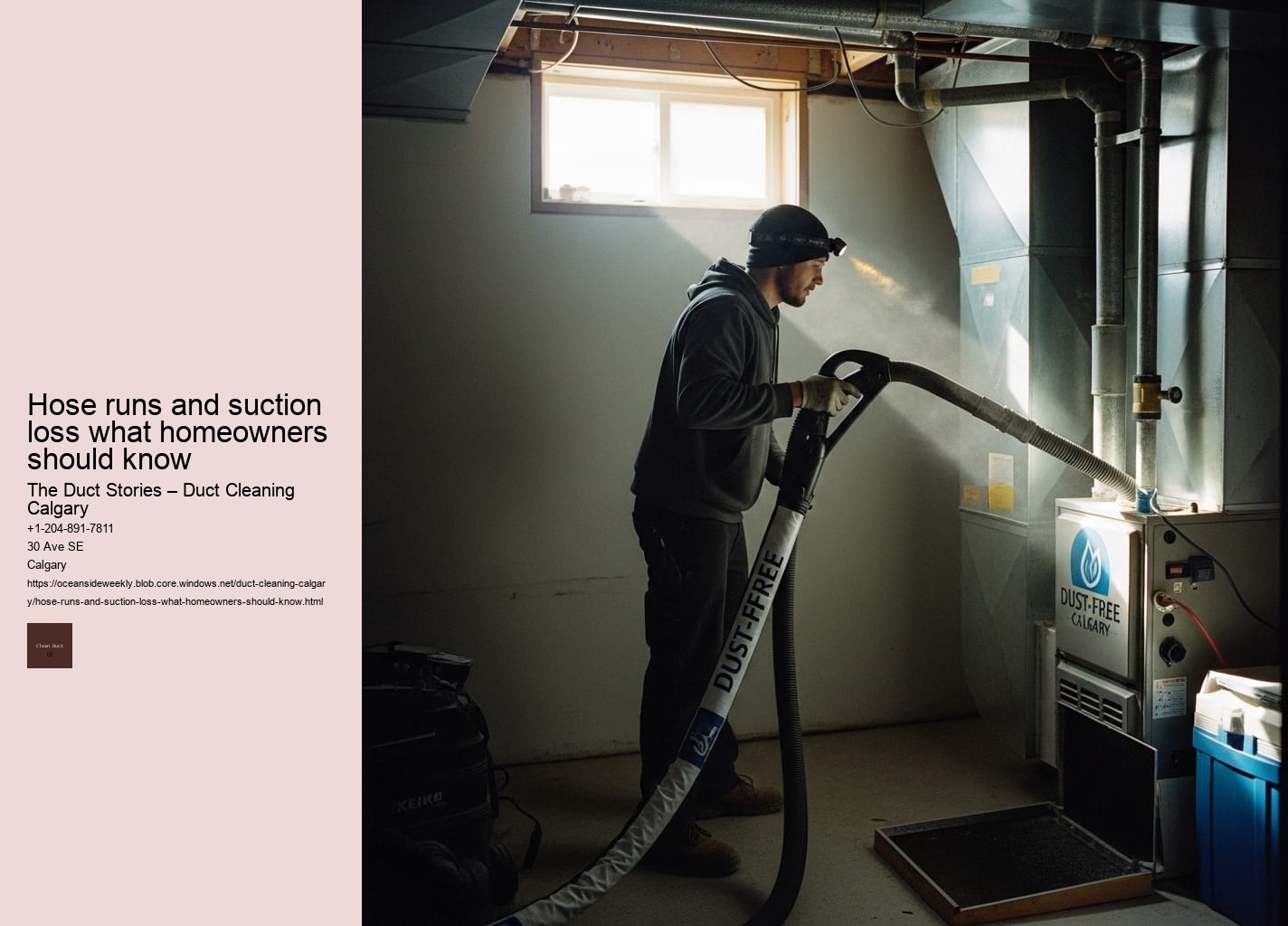
Suction loss in hoses attached to home appliances, particularly vacuum cleaners, is a common issue that can significantly impact cleaning performance and potentially lead to appliance damage. Understanding the causes and effects of suction loss is crucial for homeowners to maintain the efficiency and longevity of their cleaning equipment.
When a vacuum cleaner operates, it relies on a sealed system to generate airflow and lift dirt and debris. The hose is a critical component of this system, acting as the conduit between the cleaning head and the vacuum's collection chamber. Any compromise to the hose's integrity, such as clogs, leaks, or punctures, can disrupt this airflow and result in a noticeable reduction in suction power.
The consequences of suction loss extend beyond simply reduced cleaning effectiveness. A vacuum cleaner struggling with diminished suction will require more passes over the same area to achieve satisfactory results, increasing cleaning time and effort. Furthermore, the motor may have to work harder to compensate for the reduced airflow, leading to overheating and premature wear. In severe cases, persistent suction loss can cause irreversible damage to the motor, necessitating costly repairs or replacement of the entire appliance.
Therefore, recognizing the signs of suction loss and addressing the underlying causes promptly is essential for preserving the performance and lifespan of your vacuum cleaner. Regular maintenance, including inspecting the hose for damage and clearing any obstructions, is key to preventing suction loss and ensuring optimal cleaning results.
If you’re noticing uneven airflow or excess dust, How technicians verify the system stays under negative pressure for long-term efficiency and cleaner breathing at home.. During spring cleaning season in Calgary, trusted duct cleaning Calgary is the key to maintaining a healthy, breathable home environment..Several factors related to your vacuum hose can significantly impact its suction power. Understanding these elements can help you troubleshoot performance issues and maintain optimal cleaning.
Hose Length: A longer hose requires the vacuum to work harder to pull air and debris through the increased distance. This added friction reduces suction at the cleaning head. Consider using the shortest hose length practical for the task.
Hose Diameter: The diameter of the hose directly affects airflow. A narrower hose restricts airflow, leading to reduced suction. Conversely, a wider hose allows for greater airflow, potentially improving suction. However, ensure the diameter is compatible with your vacuum model.
Hose Material: The hose material can also play a role. Flexible hoses, while convenient, are more prone to kinking and collapsing, which obstructs airflow. Stiffer, more durable materials are less likely to kink but may be less maneuverable. Inspect your hose regularly for signs of wear or damage.
Bends and Kinks: Any bends or kinks in the hose create significant resistance to airflow. These obstructions force the vacuum motor to work harder and dramatically reduce suction at the cleaning head. Straighten the hose as much as possible and avoid sharp bends during use. Regularly check the hose for permanent kinks or damage that may require replacement.
Hair is a notorious culprit when it comes to clogging hoses and reducing suction power, particularly in vacuum cleaners and washing machines. Long strands of hair, both human and pet, easily wrap around rotating brushes and accumulate within the hose itself, creating a dense blockage. This accumulation restricts airflow, diminishing the appliance's ability to effectively remove dirt and debris. Regular cleaning of brushes and hoses is essential to prevent significant hair buildup and maintain optimal performance. Ignoring this issue can lead to overheating and potential damage to the appliance's motor.
Dirt, dust, and fine particles are common components of household debris that contribute to suction loss. These particles, especially when mixed with moisture, can form a sticky residue that adheres to the inner walls of hoses and filters. Over time, this buildup narrows the passage, impeding airflow and reducing the appliance's cleaning efficiency. Regular filter cleaning and hose maintenance are crucial to prevent dirt accumulation from becoming a major problem. Consider using a hose brush to dislodge stubborn dirt particles and restore proper suction.
Small objects, such as coins, toys, and jewelry, frequently find their way into vacuum cleaner hoses and washing machine drainpipes, causing immediate and severe blockages. These objects can obstruct the flow of air or water, leading to a complete loss of suction or drainage. Always be mindful of the items present in the cleaning area and take precautions to prevent them from being sucked up or washed away. Regularly inspecting the hose and drainpipe for trapped objects can prevent significant damage and costly repairs.
Common Signs of a Blocked Hose:Lint, fabric fibers, and threads are common byproducts of washing clothes and vacuuming carpets, and they readily accumulate in hoses and filters. These fibers tend to clump together, forming dense mats that restrict airflow and reduce suction. In washing machines, excessive lint buildup can also damage the pump and cause drainage issues. Using lint traps and cleaning filters after each use can help minimize fiber accumulation and maintain optimal appliance performance. Periodically check hoses for fiber blockages and remove them as needed.
Grease and food particles are particularly problematic in kitchen appliances such as dishwashers and garbage disposals. Over time, grease can solidify and adhere to the interior surfaces of hoses and pipes, creating a thick, sticky layer that restricts water flow. This buildup not only reduces the appliance's efficiency but also creates a breeding ground for bacteria and unpleasant odors. Regularly flushing hoses with hot water and a degreasing agent can help prevent grease deposits from becoming a major issue. Consider using enzyme-based cleaners to break down grease and maintain clear drainage.
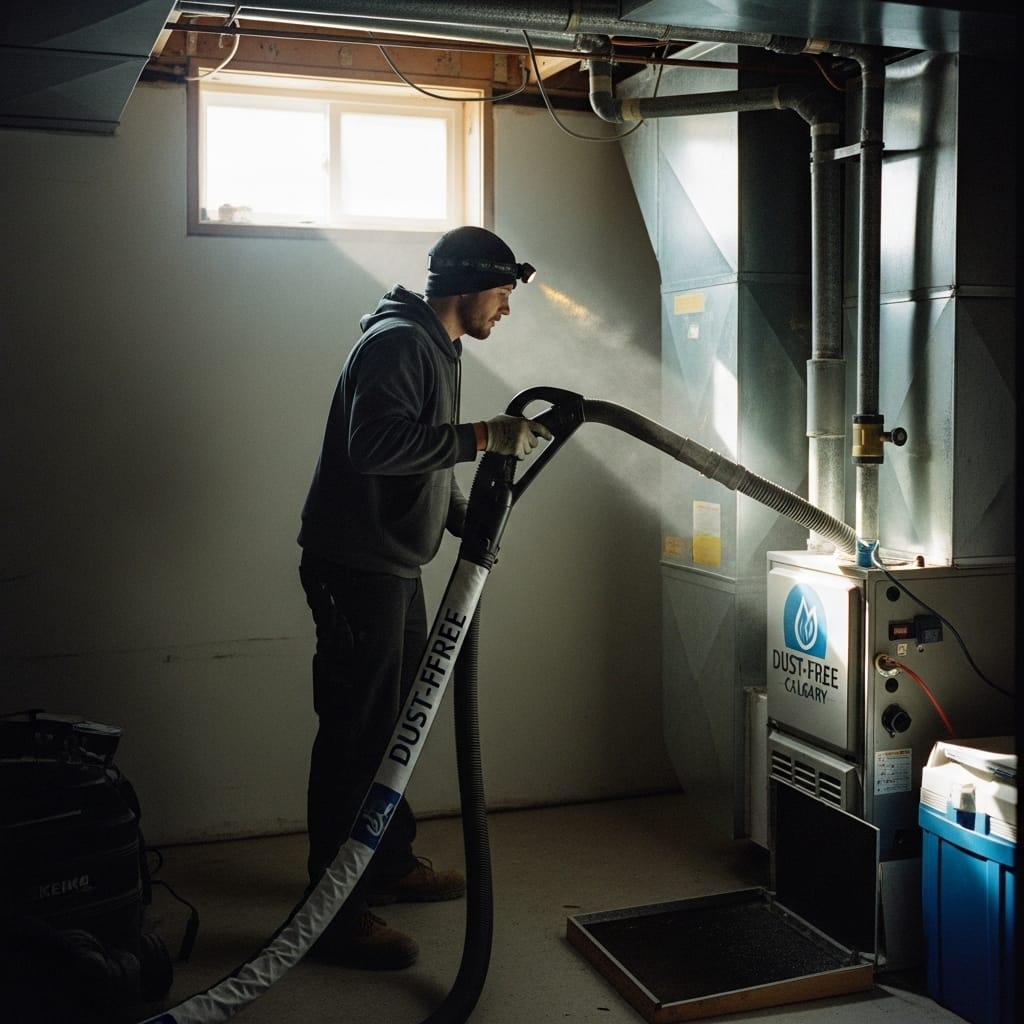
Recognizing reduced suction early can save you money and prevent further damage to your appliances. For vacuum cleaners, a primary sign is a noticeable decrease in dirt and debris pickup. You might find yourself going over the same area repeatedly without achieving the desired clean. Listen for changes in the motor's sound; a struggling or high-pitched whine can indicate the motor is working harder to compensate for reduced airflow. Visually inspect the dustbin or bag - if it's not filling up as quickly as usual, that's another red flag.
Pool pumps also exhibit telltale signs. If your pool cleaner isn't moving as vigorously or the water jets seem weaker, suction loss is likely the culprit. You might also notice an increase in algae growth, as the pump struggles to circulate and filter the water effectively. Check the pump basket frequently; excessive debris buildup can restrict flow and diminish suction power.
For other hose-equipped appliances, such as wet/dry vacuums or pressure washers, reduced performance is the key indicator. A wet/dry vac might leave behind more water than usual, while a pressure washer might produce a weaker spray. In all cases, pay attention to any unusual noises or vibrations coming from the appliance, as these can signal underlying problems contributing to suction loss. Regular observation and prompt attention to these symptoms can help you address issues before they escalate into costly repairs or replacements.
Is your vacuum cleaner not picking up dirt like it used to? Don't worry; you can often diagnose and fix suction loss issues yourself. Here's a step-by-step guide to help you restore your vacuum's power:
Check the Dustbin/Bag: An overfull dustbin or bag is the most common cause. Empty or replace it, ensuring proper closure.
Inspect the Hoses and Attachments: Disconnect the hose from both the vacuum body and the wand. Look for visible blockages like hair, debris, or larger objects. Use a straightened coat hanger or a similar tool to carefully dislodge any obstructions. Also, check the attachments for clogs.
Clean the Filters: Most vacuums have multiple filters. Consult your owner's manual to locate and remove them. Rinse washable filters with cool water and allow them to air dry completely (usually 24 hours) before reinstalling. Replace disposable filters according to the manufacturer's recommendations.
Examine the Brush Roll: Turn the vacuum over and inspect the brush roll. Cut away any tangled hair, threads, or fibers that may be hindering its rotation. Make sure the brush roll spins freely.
Check Seals and Connections: Ensure all connections between the hose, wand, and vacuum body are secure. Look for cracks or damage to the hose itself, as these can leak air and reduce suction. If you find any cracks, you may need to replace the hose.
Inspect the Impeller Fan: If the above steps don't resolve the issue, the impeller fan (the fan that creates suction) might be obstructed. This usually requires disassembling part of the vacuum, so consult your owner's manual or a repair professional if you're not comfortable doing this yourself.
To keep your vacuum operating at peak performance and avoid frustrating suction loss, consistent hose maintenance is key. Regular cleaning is paramount. Disconnect the hose and use a long, flexible brush or a straightened coat hanger to dislodge any accumulated debris. You can also try using your vacuum's hose to suction out the other hose, if possible. For stubborn clogs, detach the hose and flush it with warm, soapy water. Ensure the hose is completely dry before reattaching it to prevent mold or mildew growth.
Proper storage is equally important. Avoid tightly kinking or bending the hose, as this can cause cracks and weaken the material over time, leading to air leaks and reduced suction. Store the hose in a loose coil or hang it on a wall-mounted rack to maintain its shape.
Finally, handle the hose with care during use. Avoid pulling the vacuum cleaner by the hose, as this puts excessive strain on the connections and can cause them to loosen or break. Be mindful of sharp objects or rough surfaces that could puncture or tear the hose. By following these simple preventative measures, you can significantly extend the life of your vacuum hose and maintain optimal suction power for effective cleaning.
To ensure optimal suction and performance, selecting the correct hose type and size for each appliance is crucial from the start. Not all hoses are created equal, and using an inappropriate one can significantly reduce your vacuum's effectiveness.
For most standard vacuuming tasks, a lightweight, flexible hose is ideal. These hoses offer good maneuverability and are suitable for general floor cleaning and reaching tight spaces. However, for heavier-duty tasks or appliances with specific requirements, a more robust hose may be necessary.
Consider the diameter of the hose as well. A wider hose generally allows for greater airflow, which is beneficial for vacuuming large debris or covering larger surface areas. However, a hose that is too wide may reduce suction power on smaller areas. Conversely, a narrow hose can increase suction in focused areas but may struggle with larger debris.
Key Considerations:
Always refer to the appliance manufacturer's recommendations for hose size and type. Some appliances, like central vacuum systems or wet/dry vacuums, may require specialized hoses designed to handle specific materials or conditions. Using the recommended hose will not only optimize performance but also prevent damage to the appliance. Investing in the right hose from the outset will save you time and frustration in the long run, ensuring your vacuum operates at peak efficiency.
Recognizing when a hose has reached the end of its lifespan is crucial for maintaining the performance of your vacuum or other appliances and preventing potential damage. Several telltale signs indicate a hose is beyond repair and requires replacement.
First, inspect the hose for visible cracks, tears, or punctures. Even small openings can significantly reduce suction power and efficiency. Flexible hoses are particularly prone to cracking with age and repeated bending. If you notice any such damage, it's time to consider a replacement.
Next, check for blockages that cannot be easily removed. Over time, debris can accumulate inside the hose, forming stubborn clogs. If you've tried various methods to clear the blockage without success, the hose may be irreparably damaged or constricted.
Key Indicators for Hose Replacement:
Another indicator is a significant reduction in suction power despite a clean filter and empty dustbin/bag. A worn or damaged hose can leak air, diminishing the appliance's ability to effectively pick up dirt and debris.
Finally, examine the hose connections for looseness or damage. If the hose no longer securely attaches to the appliance or attachments, it can lead to air leaks and reduced performance. Attempting to repair severely damaged hoses with tape or makeshift solutions is generally not recommended, as these fixes are often temporary and can further compromise performance. Replacing the hose ensures optimal functionality and prevents potential damage to the appliance motor from overworking.
Home heating, ventilation, and a/c (HVAC) systems make use of innovative technologies to regulate temperature, humidity, and interior air high quality in household, commercial, and commercial buildings, and in encased automobiles. Its objective is to provide thermal convenience and eliminate pollutants from the air. Cooling and heating system design is a subdiscipline of mechanical design, based on the concepts of thermodynamics, liquid mechanics, and warm transfer. Modern HVAC develops focus on power performance and sustainability, particularly with the increasing demand for green structure remedies. In modern-day building and construction, MEP (Mechanical, Electric, and Plumbing) engineers incorporate HVAC systems with energy modeling techniques to optimize system efficiency and decrease operational costs. "Refrigeration" is sometimes contributed to the field's acronym as HVAC&R or HVACR, or "air flow" is dropped, as in HACR (as in the classification of HACR-rated breaker). Heating and cooling is an important part of property frameworks such as solitary family members homes, apartment, resorts, and elderly living facilities; medium to big commercial and office complex such as skyscrapers and healthcare facilities; automobiles such as autos, trains, planes, ships and submarines; and in marine environments, where secure and healthy building problems are managed with respect to temperature level and humidity, utilizing fresh air from outdoors. Ventilating or ventilation (the "V" in HEATING AND COOLING) is the procedure of trading or replacing air in any kind of area to supply high interior air top quality which entails temperature level control, oxygen replenishment, and removal of moisture, odors, smoke, heat, dirt, air-borne microorganisms, carbon dioxide, and other gases. Air flow eliminates undesirable scents and extreme wetness, introduces outdoors air, and maintains interior air flowing. Building air flow techniques are classified as mechanical (forced) or all-natural.
.Air movement, or air circulation, is the motion of air. Air behaves in a fluid fashion, suggesting fragments normally move from locations of higher stress to those where the stress is reduced. Atmospheric air pressure is directly related to elevation, temperature level, and structure. In engineering, airflow is a dimension of the quantity of air each of time that flows via a certain gadget. It can be referred to as a volumetric circulation price (volume of air each time) or a mass flow rate (mass of air each time). What associates both types of summary is the air density, which is a feature of stress and temperature with the optimal gas legislation. The circulation of air can be caused via mechanical means (such as by running an electric or hand-operated fan) or can occur passively, as a feature of stress differentials present in the atmosphere.
.A main heating unit gives heat to a number of rooms within a structure from one major resource of heat. A central heater has a furnace that transforms fuel or electrical power to warmth with processes. The heat is distributed through the building either by followers requiring heated air through air ducts, blood circulation of low-pressure heavy steam to radiators in each warmed space, or pumps that circulate hot water through area radiators. Main power sources may be gas like coal or wood, oil, kerosene, gas, or power. Compared to systems such as fireplaces and timber stoves, a main home heating plant supplies enhanced harmony of temperature control over a building, usually including automated control of the heater. Large homes or buildings may be separated into independently manageable areas with their very own temperature level controls. Automatic gas (and in some cases ash) managing provides improved convenience over separate fireplaces. Where a system includes air ducts for air flow, central air conditioning can be added to the system. A central heating system may use up substantial space in a home or various other building, and may require supply and return ductwork to be set up at the time of building and construction.
.