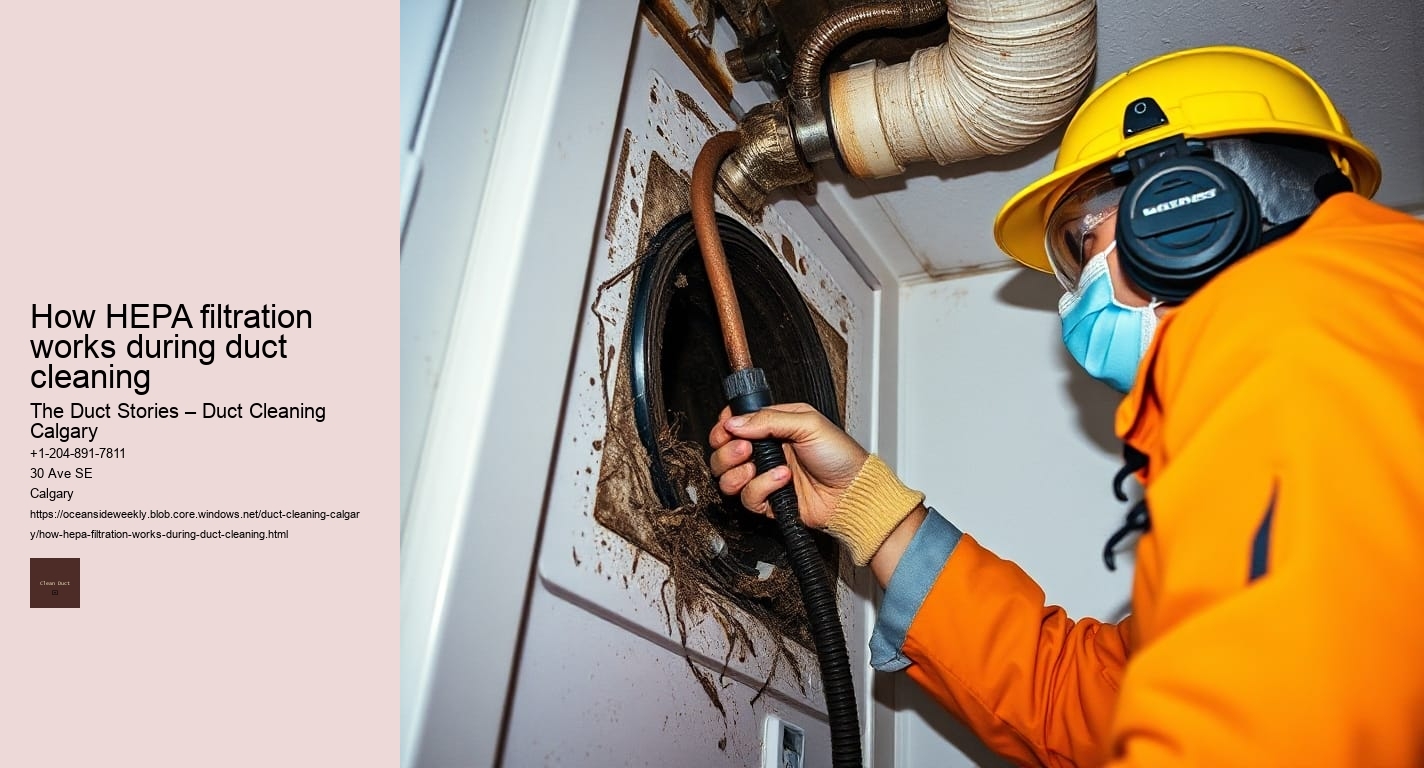
Duct cleaning is the process of removing dust, debris, and other contaminants from the ductwork of your HVAC system. Over time, these ducts can become breeding grounds for mold, bacteria, and allergens, which can then be circulated throughout your building, impacting indoor air quality and potentially affecting the health and productivity of your employees. While regular HVAC maintenance is essential, duct cleaning offers a deeper clean that can significantly improve the air your employees breathe.
The effectiveness of duct cleaning hinges on preventing the dislodged contaminants from simply recirculating within the building. This is where HEPA (High-Efficiency Particulate Air) filtration becomes crucial. HEPA filters are designed to capture at least 99.97% of particles that are 0.3 microns in diameter. This includes dust, pollen, mold spores, bacteria, and even some viruses.
Key Benefits of HEPA FiltrationDuring a professional duct cleaning, powerful vacuums equipped with HEPA filters are connected to your ductwork. As the ducts are agitated and cleaned, the HEPA-filtered vacuum simultaneously captures the dislodged contaminants, preventing them from being released back into the air. Without HEPA filtration, the cleaning process could inadvertently worsen indoor air quality by stirring up and redistributing these harmful particles. Therefore, ensuring that your duct cleaning service utilizes HEPA-filtered equipment is paramount to achieving a truly clean and healthy work environment. This investment in air quality can lead to reduced employee sick days and increased overall well-being.
HEPA filters aren't just any air filters; they adhere to a strict standard that ensures a high level of particle capture. To be classified as HEPA, a filter must capture at least 99.97% of particles that are 0.3 microns in diameter. This size is considered the most penetrating particle size (MPPS), meaning it's the hardest to capture. If a filter can trap virtually all particles of this size, it's highly effective at capturing larger and smaller particles as well.
This rigorous standard is why HEPA filters are preferred during duct cleaning. The process of cleaning air ducts inevitably stirs up dust, allergens, mold spores, and other contaminants that have accumulated over time. Without proper filtration, these particles would simply be redistributed into the building's air, negating the benefits of the cleaning.
Key HEPA Filter Features:Using HEPA filtration ensures that these dislodged particles are captured and contained, preventing them from re-circulating and compromising indoor air quality. This is especially important in large office environments where many employees are present, as it helps to minimize the spread of allergens and other irritants, contributing to a healthier and more productive workspace. The use of HEPA-equipped vacuums and air scrubbers during duct cleaning is therefore a crucial step in maintaining a clean and healthy indoor environment.
HEPA filtration systems are critically integrated with powerful vacuum units during duct cleaning to capture dislodged contaminants. These vacuums are not ordinary household models; they are specifically designed for the rigorous demands of HVAC system cleaning. The vacuums generate a strong suction force that pulls dust, debris, allergens, and other pollutants from the ductwork. This process ensures that these contaminants are not released into the occupied space, preventing further air quality degradation during the cleaning process.
The key to HEPA filtration's effectiveness lies in its ability to capture extremely small particles. HEPA filters are designed to trap at least 99.97% of particles that are 0.3 microns in diameter. This size is considered the most penetrating particle size (MPPS), meaning it's the hardest to capture. By capturing particles of this size, HEPA filters effectively remove a wide range of pollutants, including dust mites, mold spores, pollen, and bacteria, which are common contributors to poor indoor air quality.
Key Benefits of HEPA Filtration:Maintaining indoor air quality (IAQ) during duct cleaning involves more than just filtration; it requires a comprehensive containment strategy. Before the cleaning process begins, technicians seal off the work area to prevent the spread of dust and debris to other parts of the building. This often involves using plastic sheeting and specialized sealing techniques to create a negative air pressure environment within the work zone. This negative pressure ensures that any contaminants released during cleaning are contained and immediately drawn into the HEPA-filtered vacuum system, preventing them from circulating throughout the building.
In addition to source removal via vacuuming, HEPA-equipped air scrubbers play a vital role in maintaining IAQ. These portable units continuously filter the air within the work area, removing any lingering particles that may become airborne during the cleaning process. Air scrubbers draw air in, pass it through a HEPA filter, and then release clean air back into the space. This continuous air scrubbing action helps to further reduce the concentration of airborne contaminants, ensuring a cleaner and healthier environment for building occupants.
After the duct cleaning process is complete, it's essential to verify the effectiveness of the cleaning and filtration efforts. This often involves a visual inspection of the ductwork to ensure that all visible dust and debris have been removed. Additionally, air quality testing can be conducted to measure the concentration of airborne particles and pollutants. These tests provide objective data to confirm that the cleaning process has successfully improved indoor air quality and that the HEPA filtration system has performed as expected, contributing to a healthier workspace.
During duct cleaning, the use of High-Efficiency Particulate Air (HEPA) filtration is paramount to ensuring a safe and effective process. HEPA filters play a critical role in containing hazardous materials dislodged from within HVAC systems and purifying the air within the workspace.
As technicians agitate and remove dust, debris, and contaminants from ductwork, a powerful vacuum system equipped with a HEPA filter is connected to the system. This creates negative pressure, preventing the spread of these particles into the surrounding environment. The HEPA filter traps a remarkable 99.97% of particles that are 0.3 microns in size or larger. This includes mold spores, bacteria, allergens, and other harmful irritants that can compromise indoor air quality and pose health risks to building occupants.
The HEPA filter's intricate mesh of fibers captures these particles, preventing them from recirculating back into the air. This is crucial not only for the immediate health and safety of the cleaning crew but also for maintaining a healthy indoor environment for employees once the cleaning is complete. By effectively containing and removing these contaminants, HEPA filtration contributes significantly to improved air quality, reduced allergy symptoms, and a healthier, more productive workplace. Furthermore, the use of HEPA filtration demonstrates a commitment to employee well-being and responsible environmental practices.
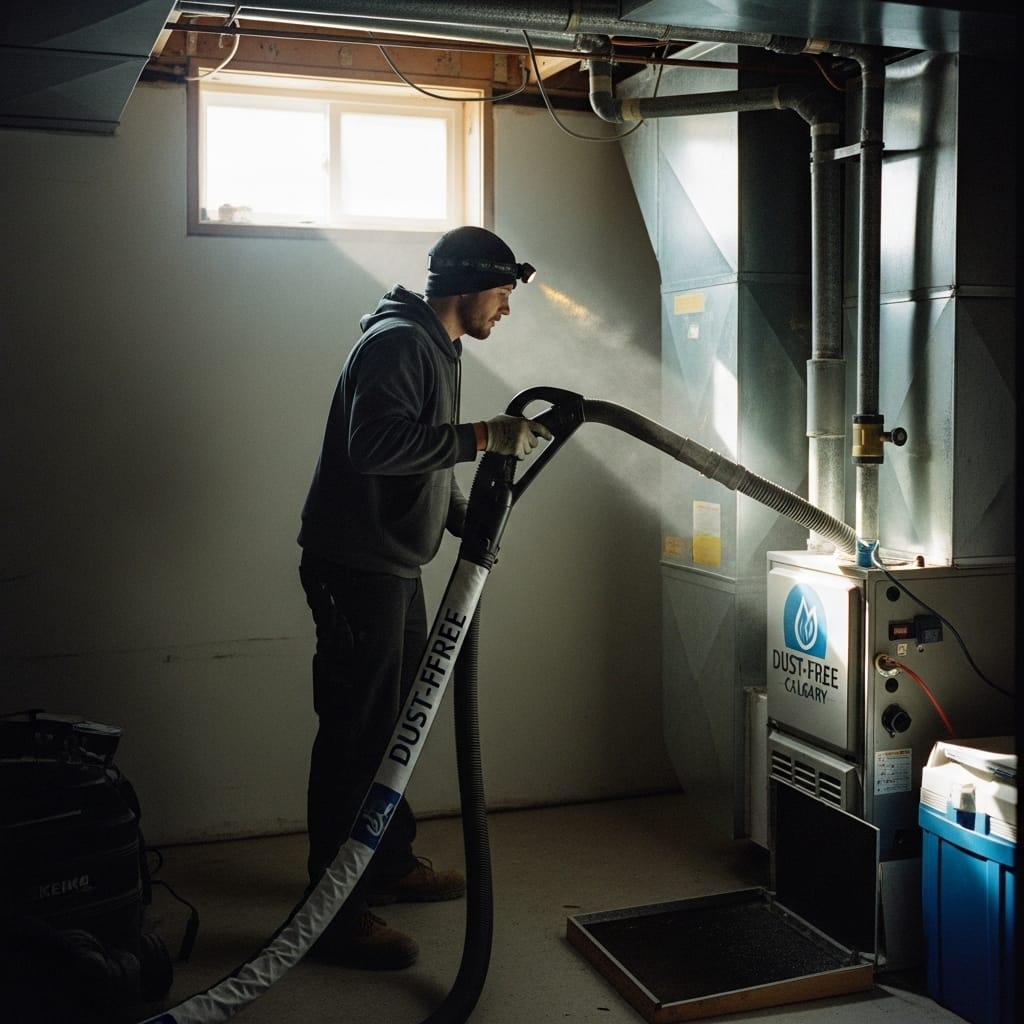
HEPA filters provide significant benefits during duct cleaning, most notably in improving indoor air quality. Their primary advantage lies in effectively mitigating allergens. By capturing dust, pollen, pet dander, and other common allergens, HEPA filtration reduces the presence of these irritants in the air, creating a healthier environment for building occupants. This is particularly crucial for individuals with allergies or sensitivities, as it minimizes the potential for allergic reactions and improves overall comfort.
Beyond allergy relief, HEPA filters contribute to better respiratory health. The removal of fine particulate matter, including mold spores and bacteria, helps to alleviate respiratory issues. This is especially important for individuals with asthma or other respiratory conditions, as exposure to these particles can trigger symptoms and exacerbate their conditions. Clean air ducts, achieved through HEPA filtration, promote easier breathing and reduce the risk of respiratory problems.
Furthermore, using HEPA filtration during duct cleaning aids in regulatory compliance. Many building codes and industry standards mandate the use of HEPA filters during ventilation system maintenance to ensure a safe and healthy indoor environment. Compliance with these regulations demonstrates a commitment to the well-being of employees and visitors, while also avoiding potential fines or legal issues. Utilizing HEPA filtration aligns with best practices for indoor air quality management and contributes to a responsible and sustainable building operation.
When selecting a duct cleaning service, prioritize companies certified by reputable organizations like the National Air Duct Cleaners Association (NADCA) and the Environmental Protection Agency (EPA). NADCA certification signifies that the company employs trained and qualified professionals who adhere to industry best practices and ethical standards. EPA certification, while less common directly for duct cleaning companies, ensures the proper handling and disposal of any hazardous materials encountered during the cleaning process, such as asbestos (though asbestos removal requires specialized firms).
Inquire about the company's specific cleaning methods, including the type of HEPA filtration equipment used and the protocols followed to contain and remove contaminants. A reputable company will readily provide detailed information about their processes and be transparent about their qualifications. Ask for proof of insurance and licenses to ensure they are operating legally and responsibly.
Adherence to industry standards is crucial for effective and safe duct cleaning. NADCA, for example, provides comprehensive guidelines for cleaning HVAC systems, including proper HEPA filtration techniques. Ensure the company follows these standards to minimize the risk of re-contamination and ensure the removal of dust, allergens, and other pollutants from your ductwork. Neglecting these standards can result in ineffective cleaning, potential damage to your HVAC system, and the dispersal of harmful particles into your indoor environment. Verifying certifications and asking detailed questions will help you choose a qualified duct cleaning service that prioritizes the health and safety of your building occupants.
Maintaining a healthy and productive workplace goes beyond surface-level cleaning. Regular HVAC maintenance is paramount to ensuring the air your employees breathe is clean and free of contaminants. A neglected HVAC system can become a breeding ground for mold, bacteria, and dust mites, all of which can significantly impact indoor air quality.
Consistent air filter replacement is another key component. Dirty filters restrict airflow, forcing your HVAC system to work harder, reducing its efficiency, and circulating pollutants. Regularly replacing filters with high-quality options designed to capture smaller particles can drastically improve air quality.
Benefits of Indoor Air Quality Monitoring:
Implementing indoor air quality monitoring strategies provides valuable insights into the effectiveness of your efforts. Monitoring for common pollutants like volatile organic compounds (VOCs), carbon dioxide, and particulate matter allows you to identify potential problems early and take corrective action. This proactive approach not only protects employee health but can also prevent the onset of "sick building syndrome," characterized by symptoms like headaches, fatigue, and respiratory issues that arise from poor indoor air quality. By prioritizing regular HVAC maintenance, diligent filter replacement, and continuous air quality monitoring, you create a healthier, more comfortable, and more productive working environment for your employees. This investment in their well-being translates to reduced absenteeism, increased morale, and a more engaged workforce.
Interior air quality (IAQ) is the air high quality within buildings and frameworks. Poor indoor air quality because of indoor air contamination is known to affect the health, comfort, and health of building residents. It has actually additionally been linked to unwell building disorder, respiratory system problems, decreased productivity, and damaged understanding in institutions. Usual pollutants of interior air include secondhand tobacco smoke, air toxins from indoor burning, radon, molds and other irritants, carbon monoxide gas, volatile organic substances, legionella and various other germs, asbestos fibers, carbon dioxide, ozone and particulates. Source control, purification, and making use of air flow to thin down impurities are the primary methods for enhancing interior air quality. Although air flow is an integral component of preserving excellent indoor air high quality, it might not be acceptable alone. In scenarios where exterior air pollution would certainly degrade indoor air top quality, other treatment gadgets such as filtration may likewise be needed. IAQ is evaluated via collection of air examples, keeping track of human direct exposure to contaminants, evaluation of structure surface areas, and computer modeling of air circulation inside buildings. IAQ belongs to indoor environmental quality (IEQ), in addition to various other factors that apply an impact on physical and mental facets of life inside your home (e. g., illumination, visual high quality, acoustics, and thermal convenience). Interior air pollution is a major health hazard in creating countries and is typically described as "house air pollution" because context. It is primarily relating to cooking and heating techniques by melting biomass fuel, in the type of wood, charcoal, dung, and crop deposit, in interior settings that do not have correct air flow. Numerous people, primarily women and youngsters, face significant health and wellness risks. In total amount, regarding three billion people in establishing countries are influenced by this issue. The Globe Health And Wellness Company (THAT) estimates that cooking-related indoor air contamination triggers 3. 8 million annual fatalities. The International Worry of Condition research estimated the variety of deaths in 2017 at 1. 6 million.
.Dirt is constructed from fine bits of solid issue. On Earth, it generally includes particles in the atmosphere that originate from various resources such as soil raised by wind (an aeolian procedure), volcanic eruptions, and air pollution. Dirt in homes is composed of around 20–-- 50% dead skin cells. The remainder, and in offices and other developed environments, is made up of small amounts of plant pollen, human hairs, animal fur, textile fibers, paper fibers, minerals from outdoor soil, burned meteorite bits, and numerous various other materials which may be discovered in the neighborhood atmosphere.
.A main furnace offers heat to a variety of spaces within a building from one main source of warmth. A central heating system has a furnace that converts fuel or power to heat via procedures. The warm is circulated with the building either by followers forcing warmed air through ducts, blood circulation of low-pressure heavy steam to radiators in each warmed room, or pumps that distribute warm water with space radiators. Key energy resources may be gas like coal or timber, oil, kerosene, natural gas, or electricity. Compared to systems such as fireplaces and timber cooktops, a central home heating plant supplies enhanced harmony of temperature level control over a structure, normally including automatic control of the heater. Huge homes or buildings may be separated into independently controllable areas with their very own temperature level controls. Automatic gas (and in some cases ash) managing offers enhanced convenience over separate fire places. Where a system consists of ducts for air circulation, air conditioning can be contributed to the system. A central heating unit might take up considerable space in a home or various other structure, and may need supply and return ductwork to be mounted at the time of building.
.